Safe Foods for your Shih Tzu – 6 of the Best
Published 5 May 2020. Updated 9 March 2026
Are there any Problems with Sharing Food?
Not necessarily.
Devoted Shih Tzu lovers tend to be very kind. We share our hearts and homes (and some lucky pups, even the foot of our beds) with our canine pals. There is probably nothing wrong with sharing our favourite food with them, too, right?
Safe foods for Shih Tzu, many of the foods, such as vegetables and fruits, that human’s digest are just fine, for humans. However, they can cause havoc on the Shih Tzu’s body, causing serious health issues. A lot of the food people eat can be incorporated into a dog's diet just fine, and even provide nutritional benefits such as joint strength and even immunity from allergies.
What Dogs Eat
It is crucial to understand that all dogs are individuals, and what diet might be fine for your friend's dog may be inappropriate for your dog.
When it concerns your dog's daily diet, it is important to consult your vet.
Domestic dogs are mostly carnivores that eat some omnivorous food. It is necessary to make sure that your dog's food is both complete and balanced at its degree of life and if it has any health issues.
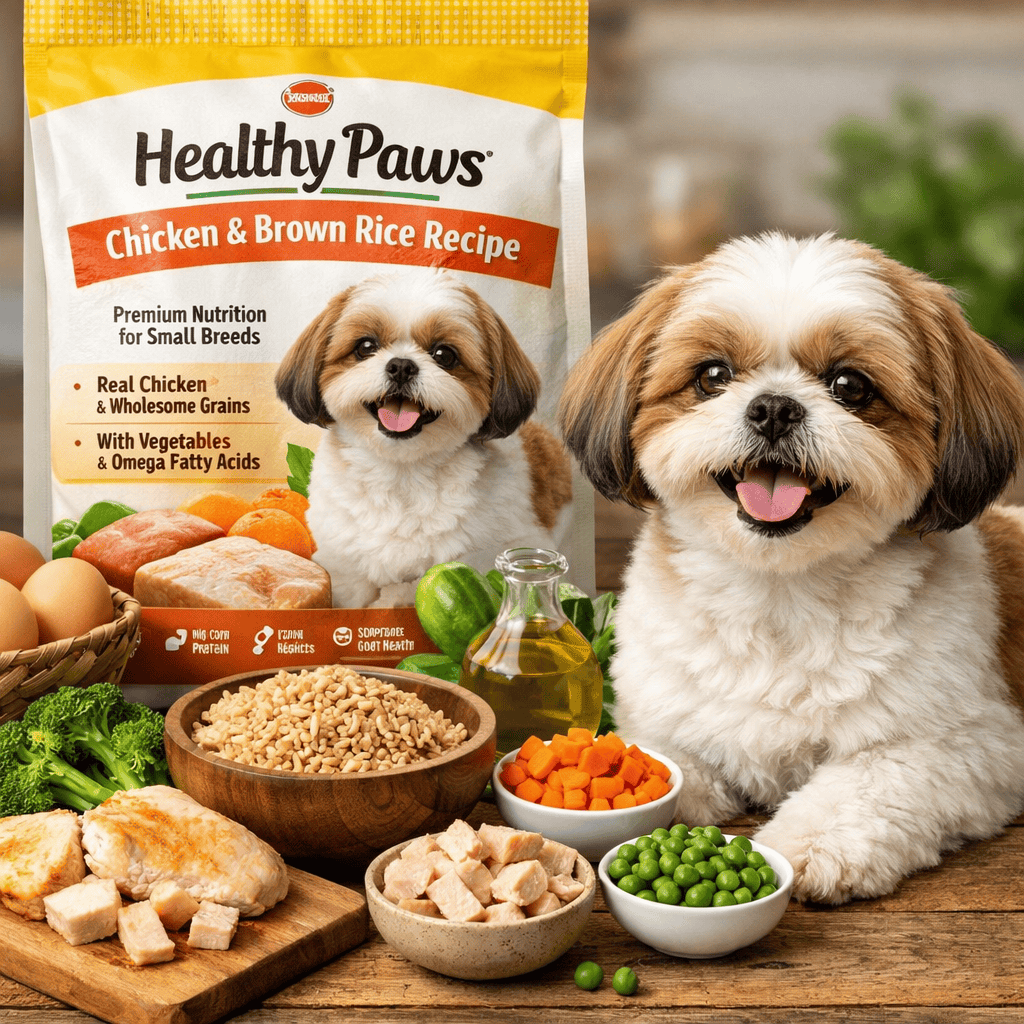
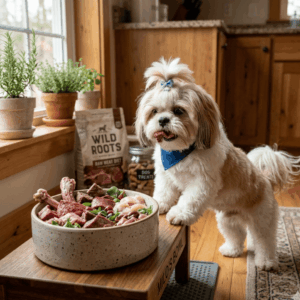
It is perfectly acceptable to feed your dog with a pure kibble diet. Or you can mix your diet with some cooked meat, fish, vegetables, and rice.
Some Considerations
Choose human-grade meat as some pet meat and bone products contain preservatives that may be harmful to your dog's health.
Practice good food hygiene as both you and your dog are at high risk of developing a foodborne bacterial infection such as campylobacter or salmonella.
Have a veterinary nutritionist make a diet for you. Some human food diets are not well balanced for the stage of life or medical conditions.
Nevertheless, before you give the dog any food, read on, and learn which food is safe and which can send your Shih Tzu straight to the emergency vet. And keep in mind that even healthy food, fed in excess can lead to canine obesity, a health concern for dogs.
Peanut Butter
Many canines' favorite treat is Peanut Butter. It is not only a good source of protein but also contains cardiac healthy fats, vitamin B, niacin, and vitamin E. To keep your dog busy for hours, stuff peanut butter into a Kong. Choose peanut butter, which is raw and unsalted. NOTE: Make sure you don't use sugar-free or "lite" peanut butter with artificial sweeteners, especially xylitol, since these substances are incredibly toxic to dogs.
Cooked Chicken
Along with your dog's regular food, it can be slipped into the bowl to add spice and extra protein to its diet. It also makes a good replacement for meals when you are in a pinch and out of dog food.
Cheese
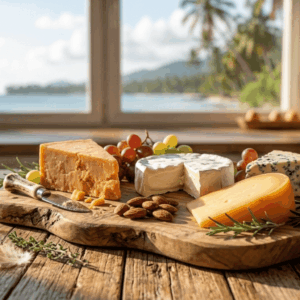
A wonderful treat for a dog as long as they're not lactose intolerant, which is a small percentage. Make sure your dog is monitoring the reaction. Opt for low or low-fat varieties and don't overfeed, as many cheese types can be high in fat. Cottage cheese is a good choice generally.
Coconut
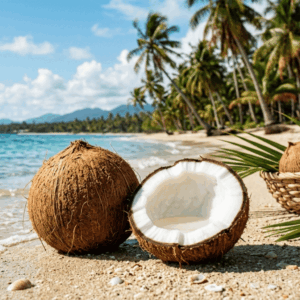
Yes, dogs are OK with coconut. This funky fruit contains lauric acid that can help combat viruses and bacteria. It can also help with poor breath and skin conditions such as hot spots, flea allergies, and itchy skin. Coconut milk and coconut oil are likewise safe for dogs. Just be sure that your dog doesn't get its paws out of the shell on the furry that can be lodged in the throat.
Eggs
For dogs, eggs are safe, as long as they are fully cooked. Cooked eggs are a wonderful protein source and can help an upset stomach. Eating raw egg whites, however, can contribute to biotin deficiency, so be sure to cook the eggs all the way before you give them to your pet.

Salmon
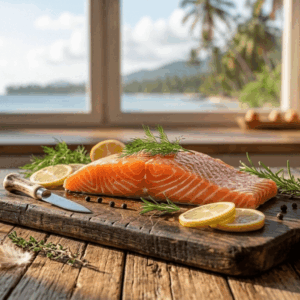
A good source of omega-3 fatty acids – these are responsible for keeping the coat of your dog healthy and shiny, as well as supporting the immune system of your dog. Feed cooked salmon to your dog, add salmon oil to your food bowl or slip some of your unwanted fish skins to it. Raw or undercooked salmon, however, contain parasites that can make dogs very sick, causing vomiting, diarrhea, dehydration, and even death in extreme cases. Make sure that salmon is cooked all the way through (the FDA recommends at least 145 degrees Fahrenheit), and the parasites should cook.
How Much Food Your Dog Needs
The quantity of food your dog needs will depend largely on your dog's size, breed, and age, as well as on how regularly it works out. The key is not to overfeed or undernourish your dog. If ever you're unsure, ask your veterinarian to evaluate your dog's diet and nutrition, and body condition, and overall health.
Hydration Essential
Aside from the food, consider their water intake as well. Make sure your dog is constantly well hydrated. This means ensuring that their water bowl is always filled up and replaced daily, so they can go ahead and hydrate whenever they need or want to.
How much – Is Enough
When assessing the size and weight of your dog, considering their body shape is far more important than weight. You need your dog to be lean, which means if you run your fingers firmly over their side and see a defined waist, you should be able to feel their ribs. If that's not possible, then it's diet time. Dog obesity is connected to decreased longevity and diseases like osteoarthritis, and it is completely preventable.
Bottom line:
Many human foods are safe for dogs and are nutritious. In general, however, a person should feed these foods to dogs in moderation, since larger quantities can lead to health problems.
Consult a veterinarian before feeding ‘human’ food to dogs with:
- Liver or kidney disease
- Food sensitivities
- Weight issues
- Diabetes
- Other health concerns
It is important to keep any substances or foods that are unsafe for dogs out of their reach.
Foods that are particularly harmful to dogs include:
- anything that has alcohol
- products containing xylitol
- coffee, chocolate, and caffeine
If in doubt, talk to a veterinarian about a particular food before giving it to your Shih Tzu.