10 Shih Tzu Foods that are a No-No
Published 4 May 2020. Updated 20 March 2026
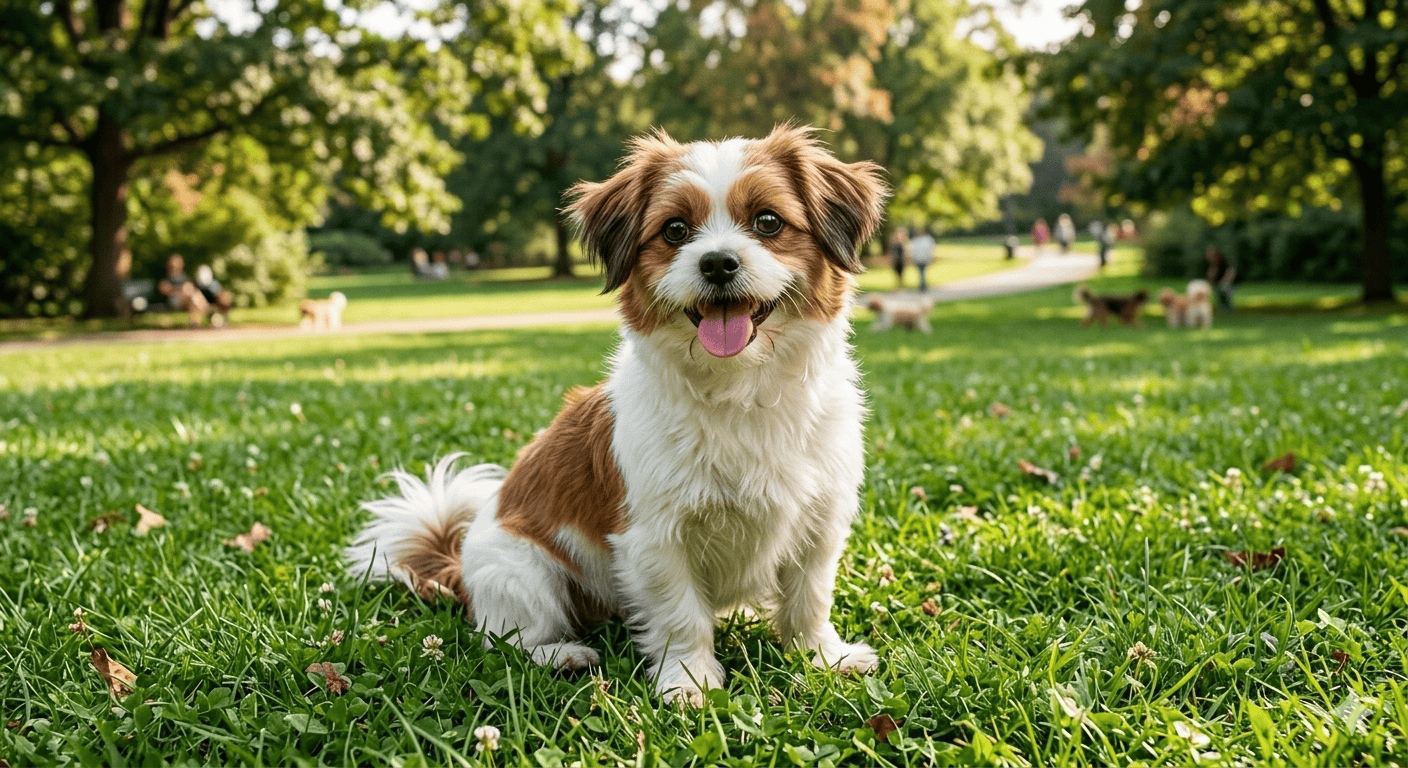
Shih Tzu Foods, Is it safe for your Shih Tzu to eat our food too?
We all know the cliche, "you are what you eat." The same is true for dogs.
Our diet provides us the building blocks that we must have a healthy mind and body. A dog with a healthy diet will have a longer, happier, more comfortable life, as well as the energy and motivation it requires to enjoy its life to the fullest.
Why Your Shih Tzu Food Is Important
Dogs, like humans, require a healthy, balanced diet to function properly. Their bodies require specific amounts of macronutrients, such as proteins, carbohydrates, and fats, as well as vitamins and minerals.
Protein, carbohydrate, and fat, all provide energy. Protein is also important to build and maintain muscles and fats that are important for brain function and for keeping your skin and coat healthy.
Dogs need to have vitamins and minerals for a number of things, such as maintaining a healthy nervous system and helping to fight disease.
Can We Give Shih Tzu - Human Food?
We adore our dogs more than anything else in the world — and (more often than not) what the puppy wants, the puppy gets!
But when it comes to dogs asking for a nibble of food made for humans, giving your pet a tough one, can really mean the difference between life and death. It doesn't matter how cute their sad puppy look is; when it comes to food, you know better than they do in terms of what's safe.
There are many foods that we treat ourselves every day that are bad for the dog's delicate digestive system and can even be fatal in some instances. Although there are several human foods that Shih Tzus can safely eat, the following foods may prove to be harmful and should never be fed to any dog. (Also, it means more for you)
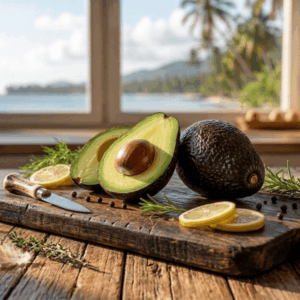
1. Avocado
Avocado contains a toxin called persin found in the fruit pit. The toxin may also develop in other parts of the fruit. Although this fruit is more toxic to birds and larger animals, such as cattle, it still has negative effects on Shih Tzus, such as vomiting and constipation. The higher risk for avocado is when dogs consume the pit — this could get stuck in your pet's stomach, intestinal tract, or esophagus.
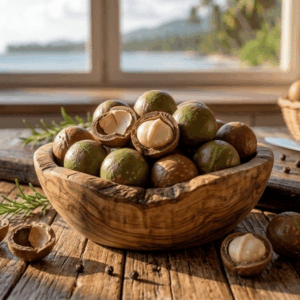
2. Macadamia nuts
Macadamia nuts may be beneficial to humans, but they are definitely not the food you should give to your Shih Tzu. These nuts include a toxin that can cause side effects like depression, weakness, tremor and hyperthermia.
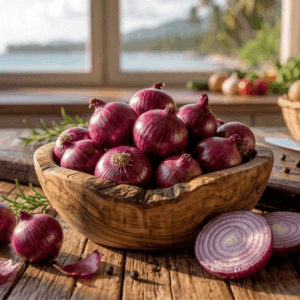
3. Onions
Large quantities of onions can be very dangerous for dogs, so it is best to avoid feeding them at all. Gastrointestinal discomfort may arise, leading to damage to red blood cells.
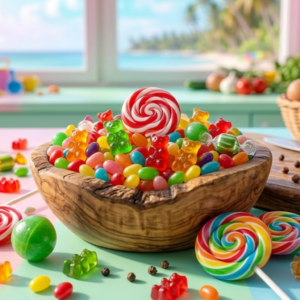
4. Candies
The artificial sweetener in our sweets is called Xylitol. This ingredient is not toxic to humans but may cause increased production of insulin in dogs. High insulin leads to high blood sugar absorption and hypoglycemia in the blood. Low blood sugar causes weakness, unco-ordination, and eventually, seizures and liver failure. Xylitol is also found in toothpaste.
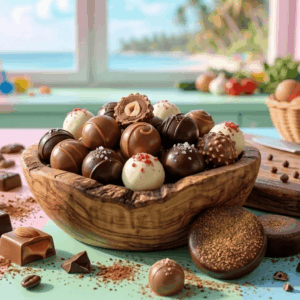
5. Chocolates
Chocolates are a tasty treat for humans, but they should never be fed to dogs. Chocolate has methylxanthines that can cause diarrhea, vomiting, difficulty breathing, and increased thirst in dogs. Signs can be seen in doses of 20 mg/kg ingested and may be lethal at a high dose of 5 mg/kg.
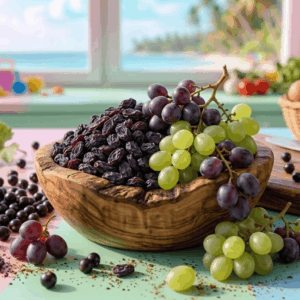
6. Grapes, Raisins, and Currants
The guilty substance in these food materials has not yet been identified, but abdominal pain, lethargy, vomiting, and diarrhea have been observed after ingestion. Chronic and high doses of grapes can lead to kidney failure, an irreversible health condition that is potentially life-threatening in dogs.
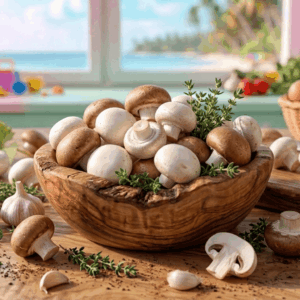
7. Mushrooms
Dogs who spend a lot of time outdoors, can come across toxic mushrooms. It is important to make sure your pet does not eat them, as the effects can range from short illness to death. Depending on which type of mushroom falls, symptoms include excessive salivation, abdominal pain, seizures, diarrhea, and vomiting, and damage to the liver, and kidneys.
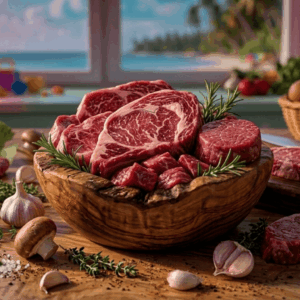
8. Raw meat
Consuming raw meat may seem natural, as this is what dogs in the wild eat. Domestic dogs, though, do not have the stomach to consume raw meat that may be filled with bacteria and viruses. Increasing the spread of bacteria to meat and other possible contaminants may have a negative impact on your dog's digestive system — and bones from raw meat, such as chicken, may pose added hazards.
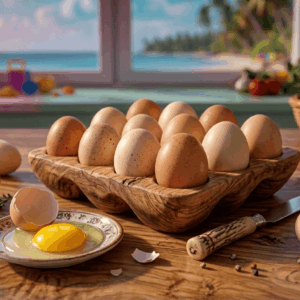
9. Raw eggs
Eggs may be high in protein but are also ideal for bacterial growth. Raw eggs may also reduce the absorption of biotin, leading to skin and coat issues that make your pet miserable. Eggs can be fed to your dogs, but they must be boiled or fried to prevent troublesome side effects.
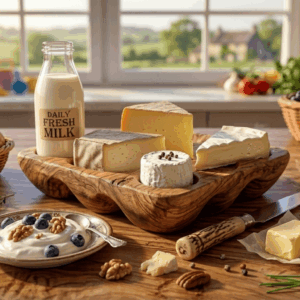
10. Milk and Dairy
Almost all dogs enjoy drinking milk, but sadly they are unable to digest lactose in milk and other dairy products. This causes soft stools and watery diarrhea, which is not just a mess, but may cause dehydration. Use lactose- dairy products for your Shih Tzu to avoid this problem.
Bottomline:
Treat human food as a treat to your dogs, not as something you give them rather than their required food. Although the foods noted in the healthy category are good for pets, too much may upset their digestive system, or make eating their own food more difficult. If your pup is behaving or does a trick, a few pieces of chicken or salmon can be a great incentive!
However, keep in mind that treats are still food!
Forgetting this fact might lead to overeating, so it is important to consider the daily ration of your dog's treats and adjust their meals appropriately. If you feed too many treats to your dog, their meals are going to be too small, which could make them feel hungry.
What to Look for:
When choosing Shih Tzu food, look for:
- No artificial colors, flavors, or preservatives.
- Meats and fish that are clearly identified as Chicken, Turkey, Egg, Salmon, and manufactured in North America. Human-grade proteins are even better. Vegetables and fruit should also be grown and harvested in a reputable country.
- Food comprising organic meat (liver, kidney, heart) Organic meat is the most focused source of vitamins (especially fat-soluble vitamins A, D, E and K. Minerals phosphorus, calcium, potassium, iron, copper, magnesium, iodine, sodium, selenium, manganese, zinc, and necessary amino acids).
- Products that are grain-free or have good grains such as oats or rice.
- Products that use natural preservatives like blended tocopherols (vitamin E)
- Additives like Omega 3 and Omega 6 fatty acids, fish oil, DHA are a plus.
Shih Tzu, specifically, will require a diet with a higher content of fats. Both Omega 3 and Omega 6 fatty acids should be included. Good sources of fats include salmon, chicken fat, or fish oil and sunflower oil. Coconut oil is another great source, but it is not usually found in dog food.