How Can You Tell Imperial Shih Tzus? 8 Best Tips
Published 12 March 2021. Updated 28 February 2026
How can you tell an Imperial Shih Tzu apart from normal Shih Tzus?
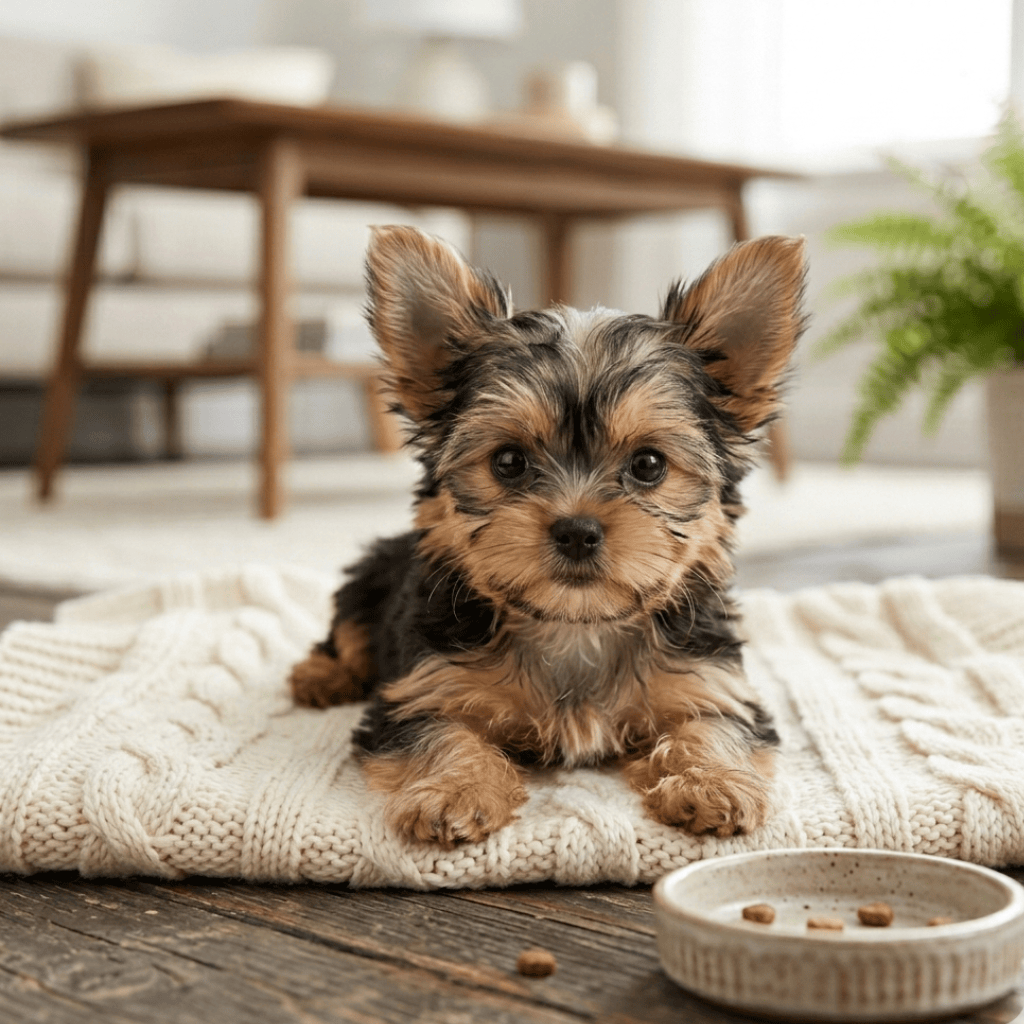
Imperial Shih Tzus are literally interesting little creatures. It is among the tiniest dogs you would ever see, fitting in a large teacup or right into your hands, which suitably gives it its other label, teacup Shih Tzu.
One would easily mistake an Imperial Shih Tzu for a young normal-sized Shih Tzu pup, but you may already be seeing its full size, weighing less than nine pounds and hardly reaching nine inches long.

The weight is a clear indication between the standard Shih Tzu and the Imperial Shih Tzu, but if you are wondering if there is really more in an Imperial Shih Tzu than what meets the eye, the following is everything you’d need to know about this toy breed.
What are Imperial Shih Tzus?
Imperial Shih Tzus are just Shih Tzus purposefully bred to be tinier than the normal breed standard. Because the normal Shih Tzu has been already categorized as a toy breed by many kennel clubs, these pups are very tiny with a height of about nine inches and a weight between four and nine pounds.
Imperial Shih Tzus are also called a teacup Shih Tzu, since they could normally fit into a large teacup. The other names for this toy breed include munchkin Shih Tzu, Chinese Imperial Shih Tzu, miniature Shih Tzu, and toy Shih Tzu.
Shih Tzus that came from Tibet and among the most well-liked dog breeds for families because of their size, low maintenance nature, and temperament.
Standard Shih Tzu vs Imperial Shih Tzu: What is the Difference?
The striking difference between the regular Shih Tzus and the Imperial Shih Tzus lies in size, with the latter being beneath breed standards.
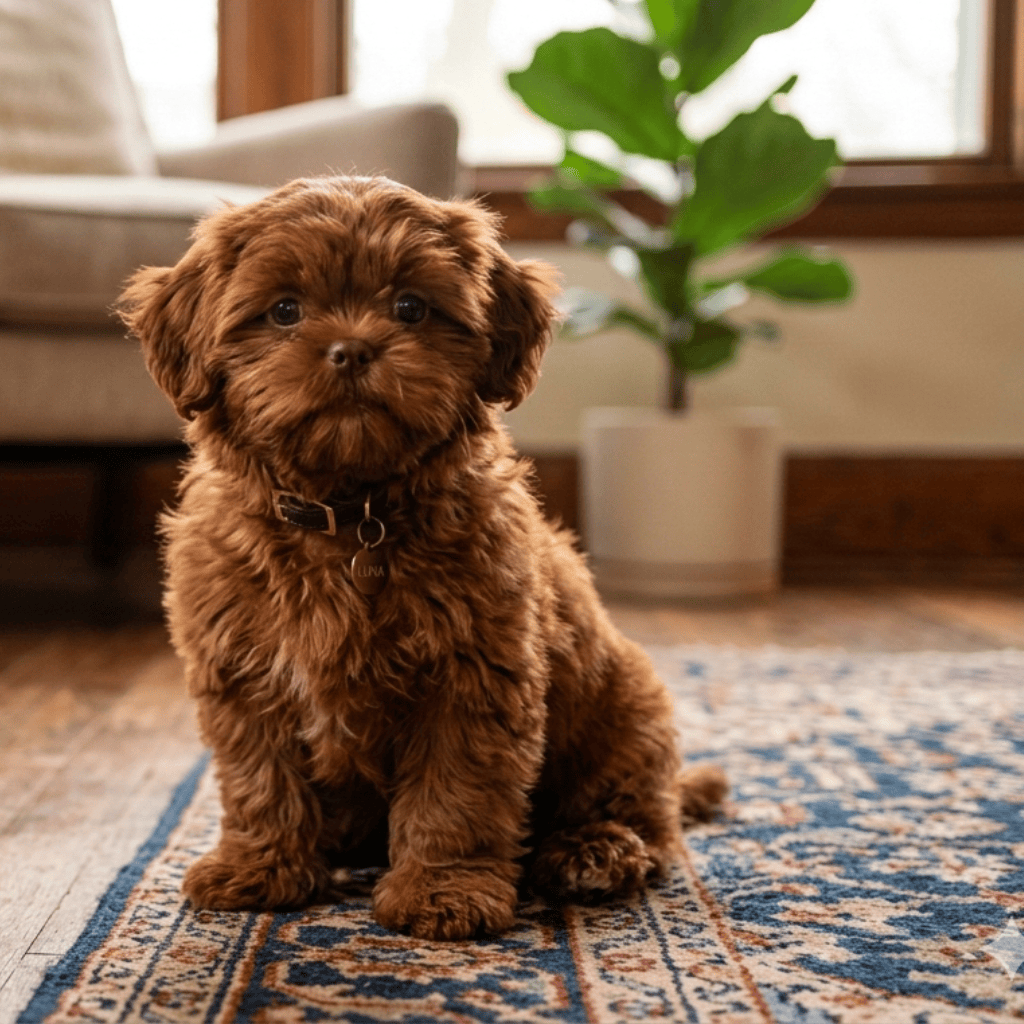
Aside from that, it’s the same adorable Shih Tzu that’s bringing smiles all over the world. They could come in various color combinations and possess a wonderful personality that makes Shih Tzus great pets.
It’s worth noting that the Imperial Shih Tzu isn’t an official dog breed. It is just a marketing phrase used by dog breeders to boost the rarity of smaller Shih Tzus when offering them to potential buyers.

How Big Would an Imperial Shih Tzu Get in Adulthood?
The trusted canine expert in breed standards, the American Kennel Club (AKC), says that the regular Shih Tzu could reach up to eleven inches and weigh between nine to sixteen pounds.
On the other hand, Imperial Shih Tzus are considerably smaller at just nine inches and below. They could weigh up to nine pounds, making them very light and fragile little dogs.
Why Isn’t Imperial Shih Tzu Considered A Dog Breed?
The American Shih Tzu Club and the American Kennel Club (AKC) don’t distinguish accept the Imperial Shih Tzu as a member of the Shih Tzu breed since they fall below the standard weight and height for the average Shih Tzu breed.
Also, Imperial Shih Tzus are not acknowledged as a distinct dog breed primarily because they are an outcome of improper dog breeding methods or potential pre-existing health conditions.
Do Imperial Shih Tzus Have Health Issues?
Although an Imperial Shih Tzu could be a completely healthy dog, if improper breeding methods were done to breed them, they could be prone to a string of health issues, particularly if their weight is below five pounds.
Purposefully breeding Imperial Shih Tzus could result in their internal organs being compromised, leading to liver failure, skeletal defects, heart disease, as well as breathing and eating issues. They might likewise have trouble adapting their body temperatures appropriately.

Moreover, they’re also at risk for medical conditions usually seen in normal Shih Tzus and other toy dog breeds. Here are some health conditions that could impact Imperial Shih Tzus:
Brachycephalic Airway Obstructive Syndrome (BACS)
This is usually seen in pups with short noses, like Imperial Shih Tzus. Brachycephalic Airway Obstructive Syndrome causes breathing issues.
Eye Problems
Most Shih Tzus experience eye irritation, particularly if their corneas are scratched by the fur near their eyes. Older Imperial Shih Tzu dogs could also acquire cataracts, which could ultimately lead to vision loss if not properly treated.
Hypoglycemia
Hypoglycemia or low blood sugar is a fairly common health condition in small dog breeds and could be life-threatening if not detected and treated early. When your Shih Tzu experiences a hypoglycemic attack, immediately give them a glucose source.
How Long Do Imperial Shih Tzus Live?
The normal life span of Imperial Shih Tzus is akin to the standard count, between ten and eighteen years. However, due to their smaller size, they’re more vulnerable to different health issues. They’re also very fragile and thus more prone to injuries, particularly if they try to leap off a surface and fall off balance, among a lot of other potential hazards and accidents.
Do Imperial Shih Tzus Make Good Family Pets?
This toy breed is popular for being playful, loyal, affectionate, and outgoing. These traits have made Imperial Shih Tzus one of the best dog breeds for pets.

These dogs are also well-suited for individuals and families who want the company of a lovable pet dog. Because they are also very friendly, Imperial Shih Tzus get along well with small kids and other dogs.
However, these dogs may likewise be affectionate even to strangers, which could be a downside if you prefer a dog that could look after your home when you’re away. Nevertheless, Imperial Shih Tzus are also incredibly active and alert, and they would let you know immediately if they sense a stranger or if you have a guest by barking incessantly.
Obedience and socialization training is important for Imperial Shih Tzu pups. They tend to be resistant and stubborn, so the sooner and the younger you train them, the better the results will be.
Finding an Imperial Shih Tzu
There are no issues with going for an Imperial Shih Tzu as a pet. However, it’s crucial that you entirely research the dog breeder that you will get your pup from.
Imperial and standard Shih Tzus are wonderful dogs. Nonetheless, it’s your concern to find out where your new Shih Tzu puppy is coming from as well as its bloodline and history.